The Real Cost of Unsupervised AI Coding
AI coding tools promise to ship features while your team sleeps. The data tells a different story: inflated confidence, hidden vulnerabilities, and technical debt that compounds fast.

Free AI Readiness Survey
How ready is your company for AI? Take our 3-minute assessment and get a personalized readiness report.
As of early 2026, a new generation of AI coding tools promises to write software autonomously for days at a time without human intervention. The pitch is compelling: assign a task, walk away, come back to working code. Vendors like Amazon (with Kiro) and Cognition (with Devin) are raising hundreds of millions on this promise.
If you're a decision-maker evaluating these tools for your team, the marketing is hard to ignore. But the data paints a very different picture.
The Productivity Illusion
A randomized controlled trial by METR (July 2025) tested experienced developers with and without AI tools. The result: developers using AI were 19% slower. But they believed they were 20% faster. That's a 39-percentage-point gap between perceived and actual productivity.
The 2025 Stack Overflow Developer Survey found that only 16.3% of developers said AI made them more productive "to a great extent." The largest group, 41.4%, said it had little or no effect. And developer trust in AI output accuracy dropped from 43% to 33% between 2024 and 2025.
This matters because most organizations are making adoption decisions based on demos and self-reported productivity gains. The controlled data says those gains are often an illusion.
What Happens When Nobody Is Watching
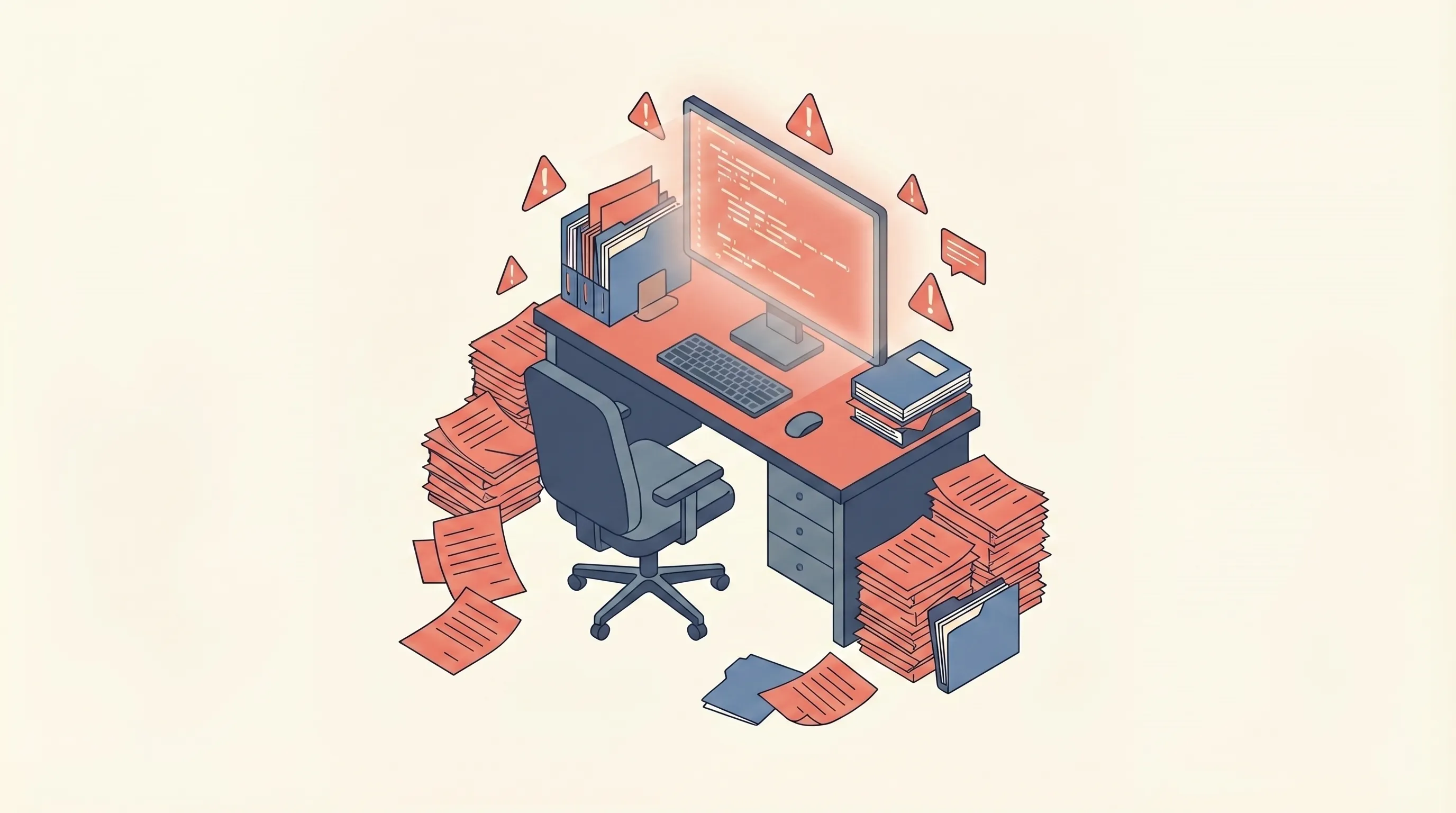
The most telling number: 16 of 18 CTOs surveyed report production disasters from AI-generated code, including security vulnerabilities, performance problems, and unmaintainable systems. That's not an outlier. That's the norm.
Research from Apiiro found that AI-generated code shows 322% more privilege escalation paths and 153% more design flaws compared to human-written code. A separate analysis found that 40% of AI-generated code contains vulnerabilities.
And the review process that's supposed to catch these issues? It's being bypassed. AI-assisted commits get merged 4x faster, often skipping proper review, with 2.5x higher rates of critical vulnerabilities. Only 3.8% of developers report both low hallucination rates and high confidence shipping AI code without human review. That means over 96% know they can't trust it blindly.
The Prototype Trap, Supercharged
If you've been in business long enough, you've seen this pattern: a quick prototype gets built to demonstrate feasibility. Management loves it. And then, instead of treating it as what it is (a throwaway proof of concept), it becomes the foundation for everything that follows.
This has always been a problem. But with AI coding agents promising to work for days autonomously, you're not getting a quick prototype. You're getting an elaborate, sprawling system that looks complete. It runs. It passes basic tests. Management sees a finished product.
What's actually inside is a different story: inconsistent decisions made at hour 3 that contradict decisions made at hour 47. Duplicated work because the AI doesn't remember what it already built. Dependencies that seemed logical in isolation but create maintenance nightmares. Security gaps that a human reviewer would catch.
When that AI-built "prototype" becomes your production system, you're not saving development time. You're borrowing it at predatory interest rates.
The Cherry-Picked Demo Problem
The demos are impressive. That's the point. But when independent analysts looked under the hood of Devin's famous demo, they found multiple problems: the AI created its own bugs and then "fixed" them (conveniently omitted from the demo), and a task that looked quick in the video actually stretched over many hours.
This is the environment decision-makers are operating in: polished demos that look incredible in a meeting room but fall apart in production. As one analysis put it, the system that looked smart in a five-minute demo looks lost when exposed to the chaos of production.
Klarna is the cautionary tale. They reduced their workforce by 22% in 2024, betting on AI. By May 2025, they announced a recruitment drive to bring workers back. The AI couldn't do what the demos promised.
What to Do Instead
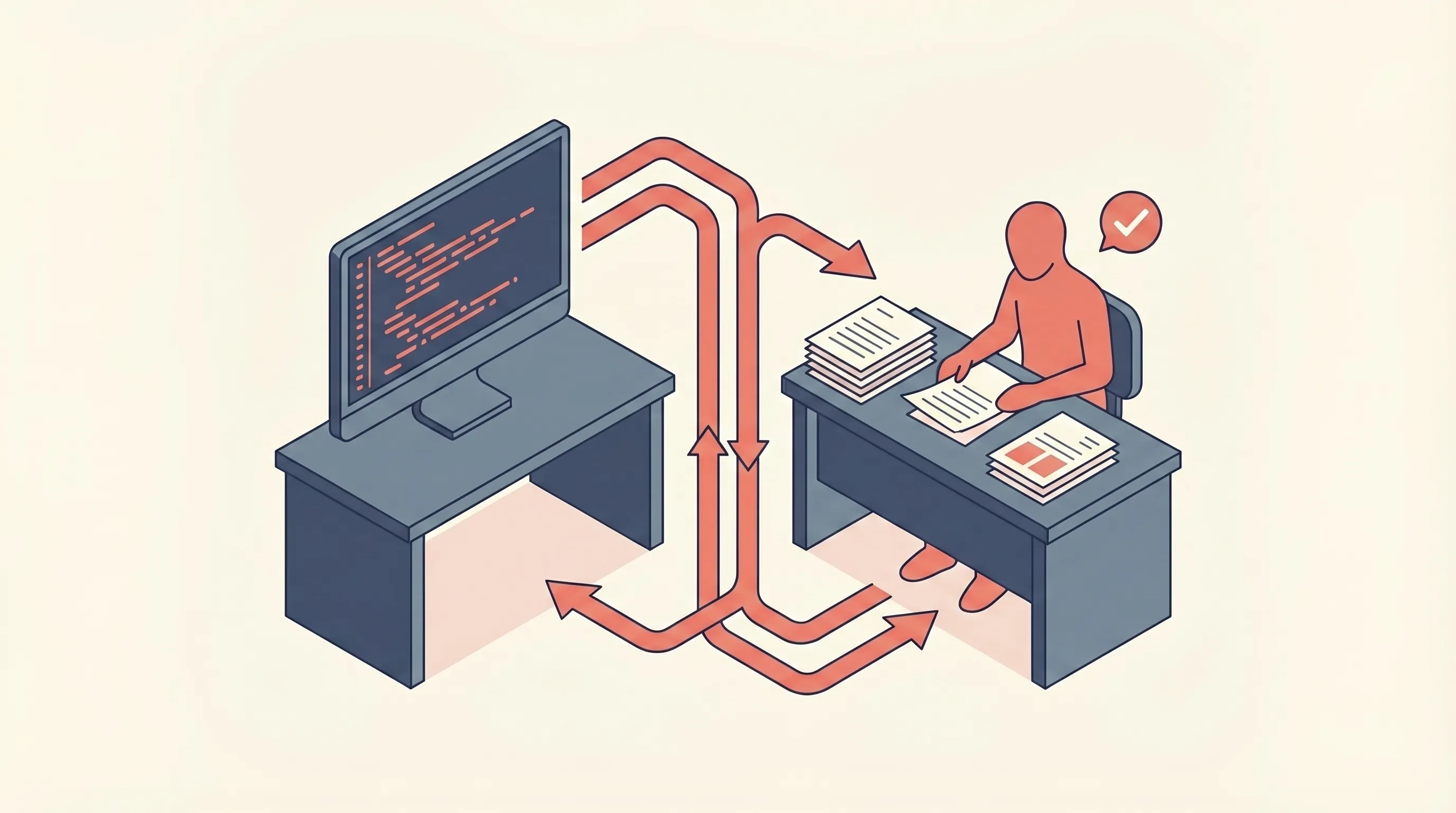
AI coding tools are genuinely useful when used correctly. The problem isn't the technology. It's the expectation that you can remove human oversight and still get reliable results.
Treat AI output as draft work, not finished code. Nothing AI-generated should ship without human review. This sounds obvious, but the data shows teams are routinely bypassing review because AI-assisted code "feels" done.
Require architectural review for anything touching core systems. AI can produce code that works in isolation but creates structural problems at scale. A senior developer needs to sign off on decisions that affect your system's long-term health.
Demand real metrics, not demos. Before your organization adopts any autonomous coding tool, ask for production failure rates (not demo success rates), long-term maintenance costs from existing customers, security audit results, and developer satisfaction surveys from teams that have used it for 6+ months. If the vendor can only show you cherry-picked demos and refuses to provide real-world metrics, that tells you everything you need to know.
Measure what actually matters. Track review cycle time, defect rates, and security vulnerabilities before and after AI adoption. If you can't measure whether AI is actually helping, you have no way of knowing if it's working.
AI coding tools can deliver real value: rapid prototyping, exploring ideas, generating boilerplate that a human will review and refine. That's legitimate. But "coding autonomously for days" isn't a feature. It's a warning.
The best AI implementation is one where humans remain in control: setting architecture, reviewing decisions, catching the mistakes that only experience can spot. When you remove that oversight, you're not accelerating development. You're accelerating the accumulation of technical debt.
Ready to build AI that works?
Whether you're just getting started or scaling an existing initiative, we can help your team move faster and get real ROI.
Let's talk